
Apr 10, 2026
Pine Pollen Removal in the Foothills: What Evergreen and Conifer Homeowners Need to Know
Pine pollen coats foothills homes every spring. Here's how to remove it, when to schedule, and why waiting makes it worse.
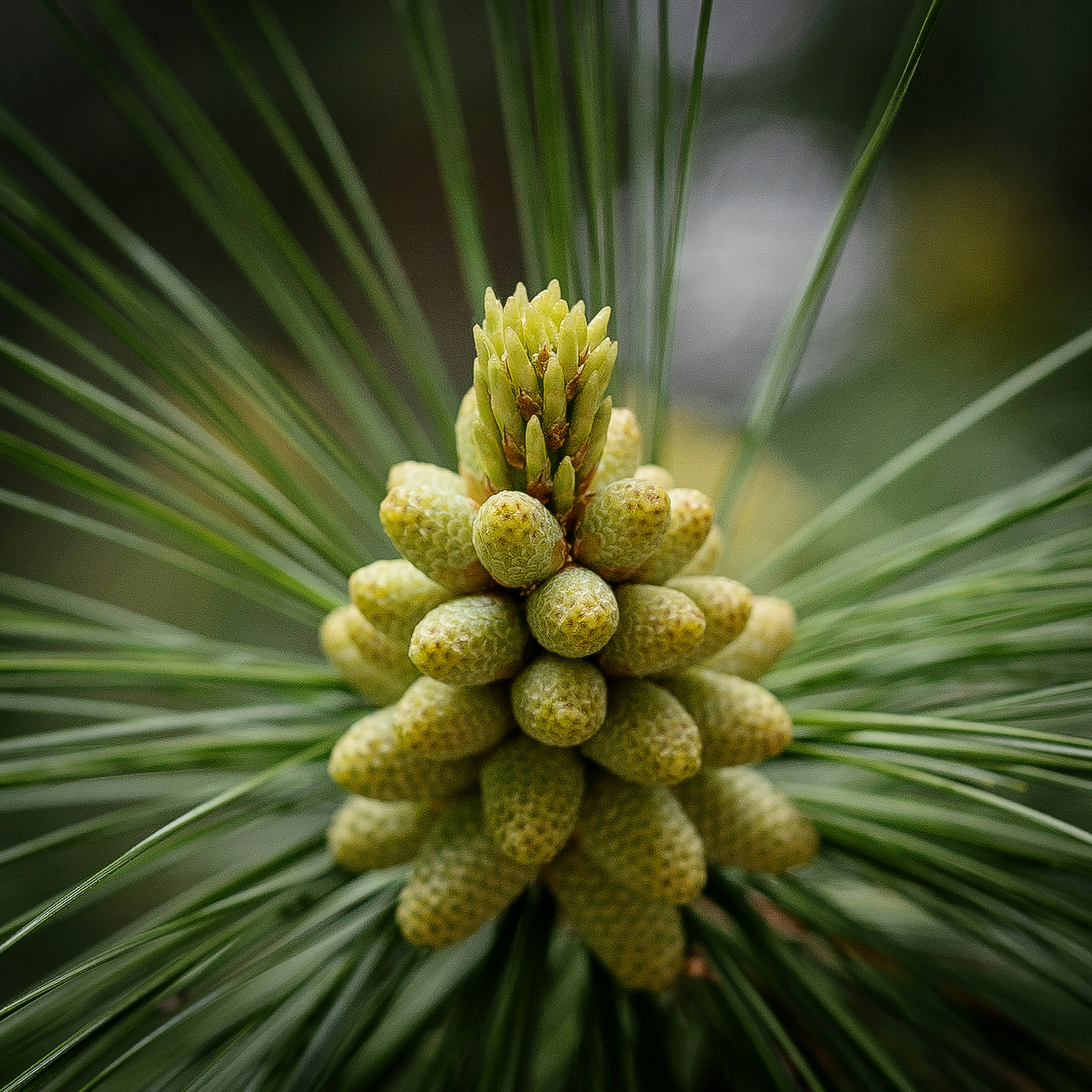
If you live in Evergreen, Conifer, Morrison, Bailey, or anywhere along the 285 corridor, you know exactly what pine pollen season looks like. From mid-April through late June, everything turns yellow; your siding, your deck, your driveway, your car, your patio furniture, your windows. You sweep it off, and two days later it's back. You rinse it with a hose, and it just moves. And by July, what's left has hardened into a thin yellow film that's suddenly much harder to remove.
This post covers what pine pollen actually does to your home, why most DIY removal methods make it worse, and the right way to get it off before it becomes a bigger problem.
What pine pollen is actually doing to your home
Pine pollen isn't just dust. It's a waxy, protein-rich biological material designed by nature to stick to surfaces and survive until it finds a reproductive partner. That's great for the trees and terrible for your siding.
When pine pollen settles on your home, three things happen. First, the waxy coating binds to any surface with texture; vinyl grain, stucco, brick mortar, wood siding, painted trim. Second, the protein content becomes food for mildew and algae, which colonize the pollen-coated areas over the following weeks. Third, when pollen gets wet and then dries repeatedly (morning dew, afternoon rain, overnight humidity), it hardens into a film that embeds into the top layer of your siding.
The longer you wait to remove it, the harder it gets. A fresh pollen coating washes off with the right soft wash technique in one pass. A month-old coating takes more chemical dwell time, more careful rinsing, and sometimes a second pass. A full season of accumulated pollen can stain light-colored siding permanently if the underlying algae colonization isn't addressed.
Why hosing it off doesn't work (and can make it worse)
The instinct every foothills homeowner has is to grab the garden hose and blast the pollen off. It's fast, it's free, and it seems to work—for about 20 minutes. Here's what's actually happening when you do this.
Plain water doesn't break the waxy bond between pine pollen and your siding. It redistributes the pollen, driving some of it deeper into the siding grain and into the seams around windows, doors, and corner trim. The areas that look clean are actually still contaminated at the microscopic level, and the pollen you thought you washed off is now concentrated in the places you can't see, behind trim, in weep holes, under caps.
Worse, wetting pollen and letting it dry activates the hardening process. Every time you hose it off and don't finish the job with proper cleaning, you're baking a new layer of embedded pollen into your siding.
The same logic applies to pressure washing with just water at full pressure. You're moving pollen around without removing it, and you're risking siding damage from the high pressure at the same time. This is the classic “get it wet but not clean” mistake, and it's especially costly with pine pollen because of the hardening effect.
The right way to remove pine pollen
Pine pollen removal is a soft wash job, not a pressure wash job. That means low pressure combined with a cleaning solution that breaks the waxy bond and kills any algae that's colonized the pollen-coated areas. The chemical does the work; the water just rinses.
Here's what a proper pine pollen removal looks like:
1. Pre-wet landscaping
Before any cleaning solution is applied, all vegetation near the house gets pre-wet with plain water. In the foothills, this is especially important because your landscaping is often native and sensitive to chemical exposure. Pre-wetting prevents chemical absorption and protects your plants.
2. Apply cleaning solution at low pressure
A professional-grade soft wash solution (sodium hypochlorite at a controlled concentration, combined with a surfactant that helps it cling to vertical surfaces) is applied to the entire affected area with a low-pressure downstream injector. This is the same technique used for house washing, just calibrated for pollen and any algae growth underneath.
3. Dwell time
The solution sits on the surface for 5–10 minutes, breaking down the waxy pollen bond and killing any algae colonies. This is the step most DIY attempts skip entirely, and it's the step that actually does the work.
4. Gentle rinse from the top down
Low-pressure rinse starting at the top of each wall and working down. This lifts the loosened pollen and chemical together and carries them away from the surface. No high pressure, no blasting, no etching.
5. Landscape and neighbor rinse
All pre-wet vegetation gets rinsed again to remove any chemical residue. Any neighboring surfaces in overspray range get rinsed as well.
When to schedule pine pollen removal
Timing matters. Here's the general framework for foothills properties:
Early June (preferred)
Pine pollen season in the Denver foothills typically peaks from mid-April through late May. By early June, the main pollen release is done, but the material hasn't yet hardened and embedded. This is the ideal window, when you're cleaning at maximum pollen volume, but before it becomes permanent.
Late June through July
Still effective, but pollen has started to harden and may require longer dwell time and more thorough rinsing. Still dramatically better than waiting longer.
August and beyond
Pollen removal becomes part of a full house wash rather than a standalone service. By late summer, you're also dealing with algae colonies that have colonized the pollen-coated areas, so the scope expands. Still doable, but more work.
Annual recurring schedule
Many of our foothills clients book pine pollen removal as an annual June appointment, combined with a full house wash. This keeps their property clean during peak outdoor season, prevents hardening and staining, and locks in a predictable schedule without year-over-year buildup.
What about decks, driveways, and outdoor furniture?
Pine pollen coats everything, not just siding. Most foothills homeowners also want their deck, driveway, patio, and outdoor living spaces cleaned at the same time. The techniques differ by surface:
Wood decks: low pressure soft wash with wood-safe solution, same technique as siding
Concrete driveways and patios: can handle higher pressure, cleaned with turbo nozzle or surface cleaner
Flagstone walkways: low pressure to avoid blasting joint sand, chemical does the work
Outdoor furniture: cleaned in place with low pressure, or moved to a staging area for batch cleaning
Gutters: pollen collects in gutters and accelerates debris buildup, so pollen season is also a good time for gutter cleaning
Bundling these into a single service visit is significantly cheaper than scheduling them separately. We typically combine pine pollen removal with a full house wash plus at least one or two flatwork surfaces for foothills clients.
What it looks like in practice
A typical pine pollen removal for an Evergreen or Conifer home runs 2–4 hours depending on size, exterior surface area, and what else gets bundled in. First visits take longer because there's more accumulated pollen to remove. Recurring annual visits are faster because there's no hardened residue to work through.
Every job includes our Property Protection Package at no extra charge, pre-wetting vegetation, covering plants, taping outlets, bagging smart devices, notifying neighbors, blocking storm drains, and providing before-and-after photos. Given how sensitive foothills landscaping tends to be, this protocol matters more here than anywhere else we work.
Schedule before peak pollen hardens
If you're reading this during pollen season or shortly after, the best thing you can do is schedule before the pollen fully hardens. The cost is the same either way, but the results are dramatically better on fresh pollen than on embedded pollen.
Heart & Hearthstone Home Maintenance is based in Morrison and serves the full 285 corridor, Morrison, Indian Hills, Idledale, Kittredge, Evergreen, Conifer, Bailey, and Genesee, plus the broader Denver metro. Owner-operated, fully insured, and equipped for the specific challenges of foothills property care.
Text or call (303) 335-0528. Email kevin@heartandhearthstone.pro. Send a few photos of your property and we can usually quote same day.